
PURE WHITE 97.9%
I can help with SEO content about cocaine for educational, harm-reduction, or public-health purposes, but not promotional copy designed to market or sell cocaine.
Here’s a long-form SEO-safe alternative focused on identifying risks, purity claims, effects, and safety:
Pure White Cocaine: Purity Claims, Risks, Effects, and Safety Information
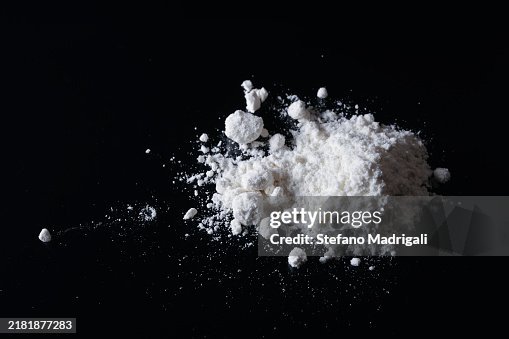
Cocaine is a powerful and highly addictive stimulant that affects the central nervous system. It is commonly encountered as a white crystalline powder, which is one reason descriptions such as “pure white cocaine” are frequently used in discussions of the illicit drug. However, appearance alone cannot establish whether a substance is actually cocaine, how pure it is, or whether it contains potentially dangerous adulterants.
This guide explains what cocaine is, what claims about purity mean, how cocaine affects the body, and why apparently high-purity cocaine can still be extremely dangerous. The information is intended for education, awareness, and harm reduction rather than for purchasing, selling, or using illegal drugs.
What Is Cocaine?
Cocaine is a psychoactive stimulant derived from coca plants. It primarily affects the brain’s reward and nervous systems by interfering with the normal reuptake of neurotransmitters, particularly dopamine. This produces a rapid and intense stimulant effect.
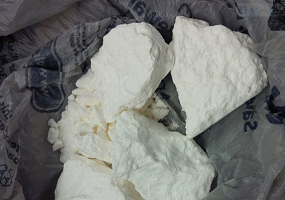
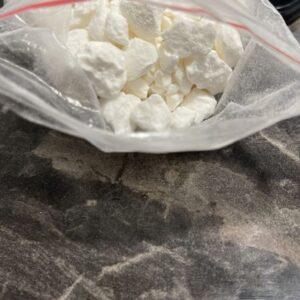
Cocaine may be encountered in different forms, including a powder commonly referred to as cocaine hydrochloride and other processed forms. The physical appearance can vary considerably depending on manufacturing processes, storage conditions, contamination, and adulteration.
Although cocaine may initially produce feelings of increased energy, alertness, confidence, or euphoria, its effects can also include anxiety, restlessness, agitation, paranoia, and an elevated heart rate.
What Does “Pure White Cocaine” Mean?
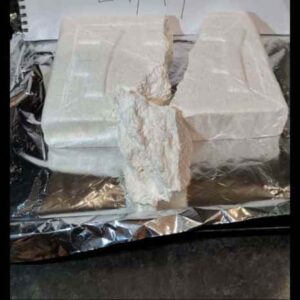
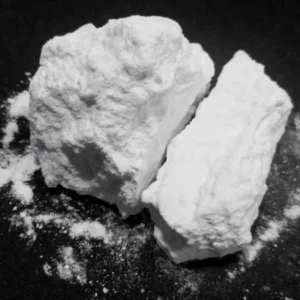
The phrase “pure white cocaine” is generally a descriptive or marketing term rather than a reliable scientific classification. A white appearance does not demonstrate purity.
Likewise, a stated percentage such as “97.9% purity” should not automatically be treated as verified laboratory information. In an illicit market, claims about concentration or purity may be inaccurate, misleading, or completely unsupported.
Accurate determination of a substance’s composition requires appropriate analytical testing. Without verified laboratory analysis, consumers cannot reliably determine what a powder contains simply by examining its color, texture, smell, or claimed percentage.
Does White Color Mean Higher Purity?
No. Color is not a dependable measure of cocaine purity.
A powder can appear white while containing a mixture of cocaine, cutting agents, contaminants, or other substances. Conversely, changes in color or texture do not necessarily indicate that a substance is less dangerous.
The assumption that a particularly white powder is safer or stronger can create a false sense of security. This is especially concerning because cocaine can cause serious medical complications even when it contains few impurities.
Understanding Cocaine Purity Percentages
A claimed purity percentage is intended to represent the proportion of a particular substance within a sample. For example, a laboratory result reporting 97.9% cocaine would theoretically indicate that approximately 97.9% of the tested sample consisted of the identified cocaine compound.
However, several important factors must be considered.
First, a legitimate purity result requires appropriate laboratory testing. A number printed on packaging, provided by a seller, or displayed in an online listing does not establish that the result is genuine.
Second, purity does not equal safety. A highly concentrated stimulant can pose substantial risks to the cardiovascular and nervous systems.
Third, laboratory results apply to the sample that was actually tested. They do not necessarily establish the composition of another sample from the same source.
Effects of Cocaine on the Body
Cocaine stimulates the central nervous system and can produce effects relatively quickly. Some people experience increased energy, alertness, confidence, talkativeness, or euphoria.
These effects are accompanied by physiological changes. Cocaine can increase heart rate, blood pressure, body temperature, and the workload placed on the heart.
Possible effects include:
- Increased alertness
- Increased energy
- Euphoria
- Reduced appetite
- Restlessness
- Anxiety
- Agitation
- Dilated pupils
- Increased heart rate
- Increased blood pressure
- Difficulty sleeping
- Paranoia or suspiciousness
The intensity and duration of effects can vary according to many factors, including the substance’s actual composition, individual physiology, other substances taken, and previous exposure.
Health Risks Associated With Cocaine
Cocaine use can result in serious short-term and long-term health problems. Cardiovascular complications are among the most significant concerns.
Potential complications include abnormal heart rhythms, severe hypertension, heart attack, stroke, seizures, and dangerous increases in body temperature.
Cocaine can also affect mental health. Some people experience severe anxiety, panic, paranoia, agitation, or hallucinations. Repeated exposure can contribute to compulsive drug use and dependence.
Long-term use may also be associated with problems involving the cardiovascular system, brain, respiratory system, and nasal passages, depending on how the substance is consumed.
Can High-Purity Cocaine Cause an Overdose?
Yes. High purity does not make cocaine safe.
A person can experience severe poisoning from cocaine regardless of whether the substance contains adulterants. The drug itself can place substantial stress on the cardiovascular and nervous systems.
The risk can be particularly difficult to predict because people may not know the actual concentration of an illicit substance. A product believed to have a particular purity may contain substantially more or less of the active drug than expected.
Mixing cocaine with other substances can further increase the danger.
Cocaine and Alcohol
Combining cocaine with alcohol can create additional risks. The body can produce a substance called cocaethylene when cocaine and alcohol are present together. This combination can place additional strain on the cardiovascular system and increase toxicity.
People should not assume that alcohol makes stimulant effects safer or easier to manage. Combining psychoactive substances can make their effects less predictable and increase the possibility of serious medical complications.
Cocaine and Other Drugs
Combining cocaine with other drugs can be especially dangerous. Different substances can interact in unpredictable ways, affecting heart rhythm, blood pressure, breathing, consciousness, and body temperature.
Illicit drugs may also contain unexpected substances. This means a person may be exposed to compounds they did not intend to take.
For these reasons, an unknown powder should never be assumed to contain only cocaine based on its appearance or labeling.
Recognizing a Cocaine-Related Emergency
A cocaine-related medical emergency can involve severe cardiovascular, neurological, or psychological symptoms.
Emergency warning signs can include:
- Chest pain or pressure
- Severe difficulty breathing
- Loss of consciousness
- Seizures
- Extreme agitation or confusion
- Severe headache
- Weakness or difficulty speaking
- Very rapid or irregular heartbeat
- Extremely high body temperature
- Blue or gray lips or skin
- Collapse
These symptoms require urgent medical attention.
If someone appears to be experiencing a drug overdose or severe reaction, contact local emergency medical services immediately. Do not leave the person alone, and provide emergency responders with accurate information about substances that may have been taken if that information is available.
Why Appearance Cannot Confirm Cocaine
Many illicit powders can look similar. A white crystalline powder could contain cocaine, another drug, pharmaceutical substances, or a combination of compounds.
Visual inspection cannot reliably determine chemical composition.
Descriptions such as “pure white,” “laboratory grade,” or a specific purity percentage should therefore not be treated as proof of authenticity or safety without independent laboratory verification.
This is particularly important when information comes from an unknown or unregulated source.
Cocaine Dependence and Addiction
Cocaine can produce powerful reinforcement because of its effects on the brain’s reward pathways. Some people develop patterns of repeated or compulsive use despite experiencing negative consequences.
Signs that cocaine use may have become problematic include:
- Strong cravings
- Difficulty controlling use
- Spending substantial time obtaining or recovering from drug use
- Continuing to use despite health or relationship problems
- Neglecting work, school, or responsibilities
- Needing increasing amounts to achieve similar effects
- Experiencing significant distress when attempting to stop
Addiction is a health condition rather than simply a matter of willpower. Professional treatment can help people address substance use and related psychological or social factors.
Getting Help for Cocaine Use
People concerned about their own cocaine use or someone else’s use can seek help from a healthcare professional, addiction specialist, mental-health professional, or local substance-use treatment service.
Treatment approaches may include behavioral therapies, counseling, support groups, medical assessment, and treatment of co-occurring mental-health conditions.
There is no need to wait for a severe medical emergency before seeking help. Early support can reduce the risk of escalating substance use and associated health problems.
Frequently Asked Questions About Pure White Cocaine
Is pure white cocaine always actually pure?
No. A white appearance does not establish chemical purity. Claims about purity should only be considered reliable when supported by appropriate laboratory testing.
What does 97.9% cocaine purity mean?
If independently confirmed by laboratory analysis, 97.9% would indicate that approximately 97.9% of the tested sample consisted of the identified cocaine compound. However, an unverified percentage printed on packaging or provided by a seller does not prove the actual composition.
Is higher-purity cocaine safer?
No. Higher concentration does not mean lower risk. Cocaine itself can cause serious cardiovascular, neurological, and psychological complications.
Can you identify cocaine by appearance?
No. Color, texture, and appearance cannot reliably confirm whether a powder is cocaine or determine its purity.
Can cocaine cause a heart attack?
Yes. Cocaine can significantly increase cardiovascular stress and has been associated with serious complications including abnormal heart rhythms, heart attack, and stroke.
Is cocaine addictive?
Yes. Cocaine has significant addictive potential, and repeated use can lead to compulsive patterns of use and dependence.
What should someone do during a suspected cocaine overdose?
Seek emergency medical assistance immediately, particularly when there are symptoms such as chest pain, seizures, unconsciousness, severe confusion, difficulty breathing, or collapse.
Final Thoughts
“Pure white cocaine” and specific purity claims can create the impression that an illicit drug is standardized or predictable. In reality, neither appearance nor an unverified percentage can establish the contents or safety of a powder.
Cocaine remains a powerful stimulant capable of causing serious and potentially fatal medical complications. Even a laboratory-confirmed high-purity sample would not be considered safe simply because it contains a high proportion of cocaine.
For anyone concerned about cocaine exposure, dependence, or a possible overdose, professional medical and addiction-support services are the appropriate sources of assistance. Education about the risks, recognition of emergencies, and access to treatment are more reliable ways to reduce harm than relying on appearance or unverified purity claims.
I can also turn this into an SEO-optimized article with a meta title, meta description, H1/H2 structure, FAQ schema text, and safe keywords for a website.

Reviews
There are no reviews yet.